The Right to a Fair Trial in Pakistan: Understanding Article 10A
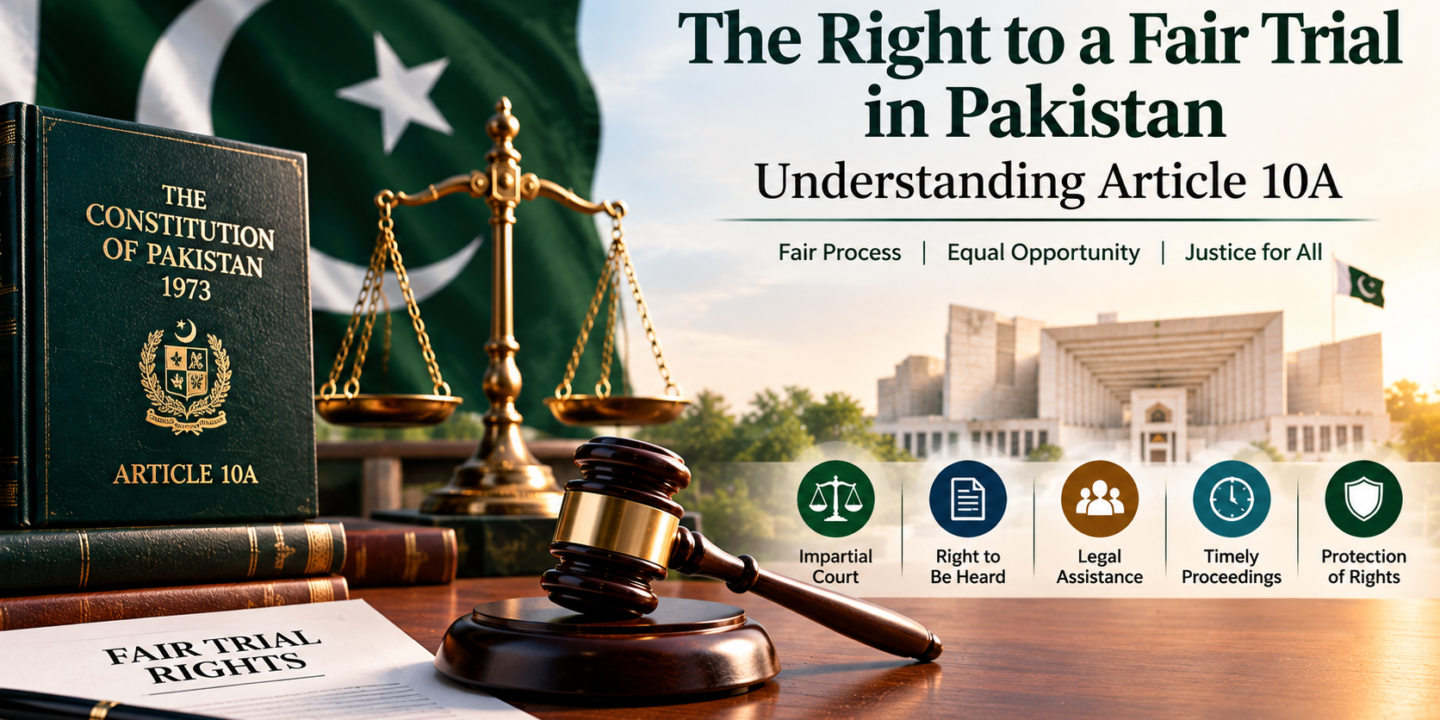
Justice is not only about reaching the correct decision; it is also about ensuring that the process used to reach that decision is fair. A fair trial protects individuals from arbitrary treatment and ensures that both sides of a dispute have a meaningful opportunity to present their case. In Pakistan, the importance of fair trial and due process is expressly recognized by the Constitution through Article 10A.
What Is a Fair Trial?
A fair trial means that a person should be dealt with according to law through an impartial and proper legal process. The parties should have an opportunity to present evidence and arguments, understand the case against them, and receive a decision from a competent and impartial court.
Fairness must apply to the entire process rather than only to the final judgment. A decision cannot truly be considered just if the procedure leading to it was fundamentally unfair.
Article 10A of the Constitution
Article 10A provides protection relating to the right to a fair trial and due process. It is an important constitutional safeguard for persons involved in both civil and criminal proceedings.
The provision strengthens the principle that legal disputes should be determined through lawful procedures rather than arbitrary action. It also reflects the broader idea that fundamental rights must be protected by institutions capable of providing an effective remedy.
Why Is the Right Important?
The right to a fair trial protects individuals against wrongful conviction, arbitrary decisions, and unfair treatment. It also strengthens public confidence in courts.
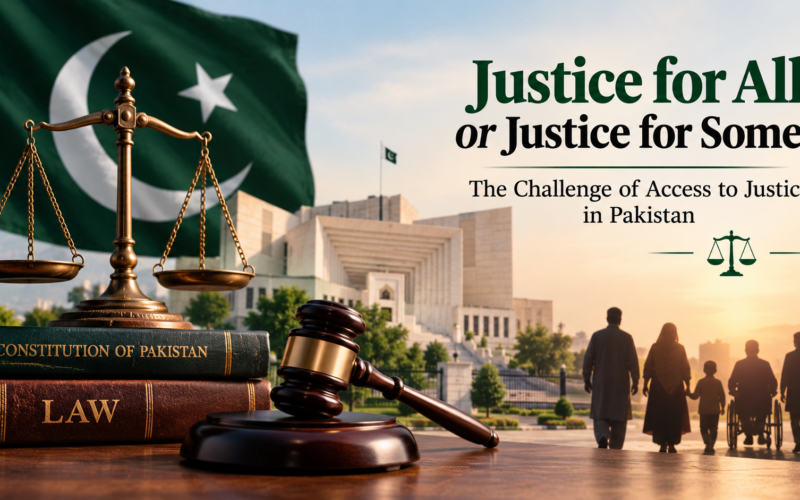
A justice system cannot function effectively if people believe that outcomes depend on wealth, influence, status, or personal connections. Equal and fair procedures help establish trust between citizens and legal institutions.
Important Elements of a Fair Trial
A fair trial involves several important principles. These include an impartial decision-maker, a reasonable opportunity to present one’s case, proper consideration of evidence, and adherence to applicable legal procedures.
In criminal cases, procedural safeguards are particularly important because the consequences can include imprisonment and other serious restrictions on liberty.
Challenges in Practice
Although fair trial is constitutionally protected, its practical implementation can face difficulties. Delays in court proceedings, inadequate resources, complicated procedures, and limited access to competent legal assistance can affect the quality of justice.
A prolonged case can place considerable financial and emotional pressure on the parties. For an accused person, unnecessary delay can be especially serious when liberty is at stake.
Role of Lawyers and Courts
Lawyers have an important responsibility to protect the rights of their clients while maintaining professional and ethical standards. They help parties understand legal procedures, present arguments, challenge evidence where appropriate, and assist courts in reaching lawful decisions.
Courts, meanwhile, must remain impartial and ensure that proceedings are conducted according to law. Judicial independence and procedural fairness are essential for maintaining public confidence.
Technology and Fair Trials
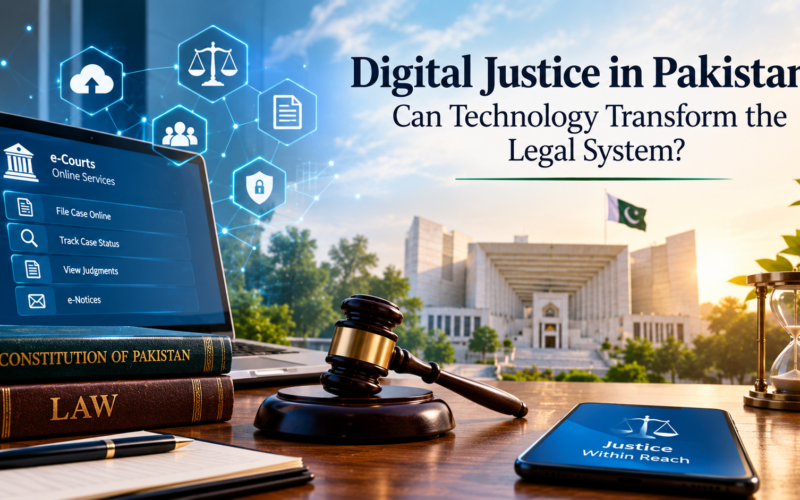
Technology can support fair and efficient proceedings through electronic case records, online access to judgments, digital filing, and other appropriate technological tools. However, technology must be introduced carefully.
Digital systems should not create new barriers for people who lack internet access or technological knowledge. The justice system must remain accessible to everyone.
Strengthening Fair Trial Rights
Pakistan can strengthen fair trial protections by improving case management, reducing unnecessary delays, increasing access to legal assistance, and ensuring adequate resources for courts. Legal awareness should also be improved so that citizens understand their basic rights.
The protection of fair trial rights should not remain only a constitutional statement. It must be reflected in everyday legal practice.
Conclusion
The right to a fair trial is a cornerstone of justice and the rule of law. Article 10A of the Constitution of Pakistan provides an important constitutional guarantee, but the true value of this right depends on its effective implementation.
A strong justice system is one in which every person, regardless of wealth or social status, receives a genuine opportunity to be heard and treated according to law. Protecting fair trial rights therefore strengthens not only individual freedom but also public confidence in Pakistan’s legal system.